

1/6/2026
Author: Astopia TeamWhich Planet is Called Juno?
The question “Which planet is called Juno?” often comes up when people first encounter Juno in astrology. The name itself sounds planetary — powerful, mythological, and important — so it’s easy to assume Juno must be one of the planets orbiting the Sun. In reality, Juno is not a planet at all. It is an asteroid, located in the asteroid belt between Mars and Jupiter.
This distinction matters, because it highlights the difference between astronomy and astrology. Astronomically, Juno is classified as a rocky body with a specific orbit and physical structure. Astrologically, however, Juno carries symbolic meaning far beyond its size. It represents commitment, marriage, long-term partnerships, and the relational agreements we form when attraction turns into responsibility.
So when people ask which planet is called Juno, they’re usually not looking for a technical classification — they’re trying to understand why Juno appears so often in relationship astrology. To answer that fully, it’s important to explore both what Juno is in space and what it represents in the birth chart. Once you understand that difference, Juno’s role becomes much clearer — and far more meaningful.
Juno's Astronomical Identity: The Asteroid
From an astronomical perspective, Juno is officially known as 3 Juno, marking it as the third asteroid ever discovered. It was identified in 1804 by German astronomer Karl Ludwig Harding, during a period when astronomers were actively searching the region between Mars and Jupiter for what they believed might be a missing planet. At the time, early discoveries like Ceres, Pallas, and Vesta were briefly classified as planets — and Juno was initially grouped alongside them.
As telescope technology improved and more objects were found in the same region, scientists realized this area was populated not by planets, but by thousands of smaller rocky bodies. This led to the creation of a new category: the asteroid belt, and Juno was reclassified accordingly. Today, it is recognized as one of the larger and brighter asteroids in this region.
Key Astronomical Facts About Juno
To better understand Juno’s physical identity, here are its most important astronomical characteristics:
- Location: Juno orbits the Sun in the main asteroid belt, positioned between Mars and Jupiter
- Discovery: Identified in 1804, making it one of the earliest known asteroids
- Size: Approximately 234 kilometers (145 miles) in diameter
- Shape: Irregular rather than spherical, which is typical for asteroids of its size
- Composition: Primarily silicate-rich, with traces of iron and magnesium
Despite not qualifying as a planet, Juno remains scientifically significant. Astronomers study it to better understand the composition and formation of early solar system material. Its brightness and relatively large size make it especially useful for observational research.
What’s important in the context of this blog, however, is not just what Juno is astronomically — but what it is not. Juno’s asteroid status explains why it doesn’t appear alongside planets in traditional astronomy, yet astrology assigns meaning based on symbolism rather than mass or orbit alone.
This distinction is where Juno begins to bridge science and symbolism — setting the stage for its astrological role.
Juno in Astrology: Commitment and Partnerships
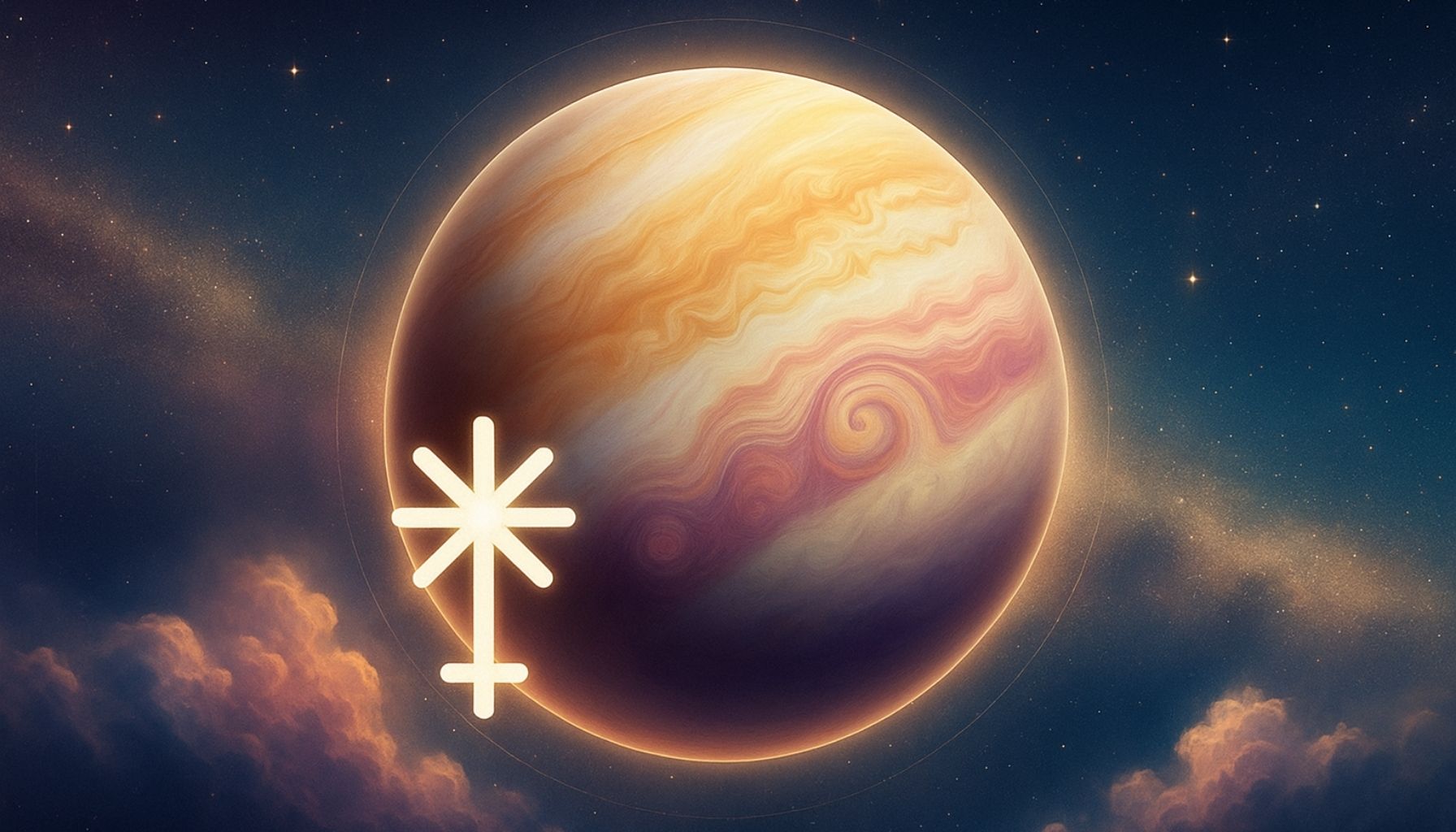
In astrology, Juno moves beyond its astronomical definition and takes on a deeply symbolic role. Rather than describing attraction or desire, Juno focuses on commitment itself — the expectations, agreements, and emotional contracts we form when a relationship becomes serious. It reflects how we approach long-term partnership, marriage, and shared responsibility.
Where some astrological placements describe what excites us, Juno describes what sustains us. It points to the conditions under which commitment feels fair, meaningful, and emotionally secure. This is why Juno is often associated with themes such as loyalty, equality, mutual respect, and long-term bonding.
What Juno Represents in a Birth Chart
When astrologers interpret Juno, they look at it as a relational anchor rather than a romantic trigger. Its placement highlights:
- Commitment style: how you approach long-term relationships once initial attraction fades
- Partnership expectations: what you consider essential in a lasting bond
- Balance and fairness: how equality and reciprocity show up in your relationships
- Marriage themes: not prediction, but orientation toward shared life structures
Unlike Venus, which can be playful or fluid, Juno tends to be firm. It reveals what feels non-negotiable when you commit — even if those needs aren’t obvious early in a relationship.
Sign, House, and Aspect Context
Juno’s meaning becomes clearer when viewed through three key lenses:
- Sign placement shows the tone of commitment — the relational energy that feels sustainable over time
- House placement reveals where commitment themes tend to surface most strongly in life
- Aspects describe how Juno interacts with other drives, emotions, and values in the chart
For example, someone may feel drawn to many people romantically, but only feel truly committed when relationships meet their Juno-defined standards. This often explains why some connections feel exciting yet unstable, while others feel quietly solid and enduring.
Why Juno Matters in Relationship Astrology
Juno helps explain patterns that other placements don’t fully cover. It sheds light on questions such as:
- Why commitment feels central in some relationships but restrictive in others
- Why certain partnerships feel “right” even without intense chemistry
- Why repeated relationship themes emerge over time
Understanding Juno doesn’t promise a perfect partnership, but it offers clarity. It helps translate unconscious expectations into conscious awareness — which is often the missing piece in long-term relationship satisfaction.
Deciphering Your Juno Placement
Understanding your Juno placement is less about prediction and more about self-awareness. Juno doesn’t tell you who you will marry; it shows how commitment works best for you and why certain partnership dynamics feel supportive—or draining—over time.
When interpreted carefully, Juno helps explain recurring relationship themes: what you expect once a bond becomes serious, where compromises feel natural, and where boundaries become essential.
Rather than reading Juno in isolation, astrologers always look at it within the broader chart context. Still, even on its own, Juno offers valuable insight into long-term relational needs.
Here’s how Juno commonly expresses itself in a chart:
- Juno by sign reflects the quality of commitment you resonate with
- Juno by house shows the life area where partnership becomes most meaningful
- Juno aspects describe how commitment interacts with desire, emotion, and identity
To illustrate this more concretely:
- Example: If Juno is in Libra, commitment tends to feel most aligned when there is fairness, mutual respect, and emotional balance. Partnerships thrive when both sides feel equally heard and valued.
- Example: If Juno falls in the 7th house, relationships and long-term partnerships often play a central role in life direction. Commitment is not peripheral—it’s formative.
What matters most is not the placement itself, but whether real-life relationships align with what Juno quietly asks for. When they don’t, dissatisfaction often builds beneath the surface, even if everything looks “fine” on paper.
How Juno Differs from Other Astrological Bodies
Although Juno is often mentioned alongside planets like Venus and Mars, its role in astrology is fundamentally different. Juno doesn’t describe attraction, chemistry, or desire in the moment; it describes what holds a relationship together once the initial spark fades.
Where many astrological bodies focus on impulse, emotion, or expression, Juno speaks to agreement. It reflects the inner rules you carry into commitment — the expectations you may not voice directly, but still live by.
To clarify this distinction, it helps to look at Juno in contrast with other well-known relationship indicators:
- Juno vs. Venus: Venus shows what draws you in — aesthetics, charm, pleasure, and romantic style. Juno shows what keeps you there. A relationship may feel exciting through Venus, but if it doesn’t meet Juno’s needs, it often struggles to last.
- Juno vs. Mars: Mars describes desire, pursuit, and sexual energy. Juno focuses on sustainability. Mars asks “Do I want you?” while Juno asks “Can I build a life with you?”
- Juno vs. the Moon: The Moon reflects emotional comfort and instinctive needs. Juno, on the other hand, reflects conscious commitment — the decision to stay, even when emotions fluctuate.
This is why Juno becomes especially relevant later in relationships. It tends to activate during moments of definition: moving in together, long-term planning, marriage, or renegotiating boundaries. When ignored, Juno doesn’t disappear — it often shows up as quiet dissatisfaction or repeating relational patterns.
Understanding how Juno differs from other astrological bodies allows you to read your chart with greater clarity. It separates attraction from alignment, emotion from agreement, and romance from responsibility.
Juno's Influence on Relationship Dynamics
Juno’s influence in a birth chart often becomes visible after the honeymoon phase of a relationship has passed. This is the point where attraction alone is no longer enough and deeper questions begin to surface: fairness, loyalty, shared responsibility, and emotional reciprocity. Juno describes how those themes unfold over time.
Rather than creating dramatic relationship events, Juno works quietly. It shapes what feels right or wrong once commitment is on the table. When a relationship aligns with your Juno placement, it tends to feel stable and mutually respectful. When it doesn’t, dissatisfaction can build slowly — even if everything looks good on the surface.
Common ways Juno shows up in relationship dynamics include:
- Unspoken Expectations: Juno reflects the agreements you assume will naturally exist in a partnership. When these expectations aren’t met, disappointment often arises without a clear explanation.
- Power and Equality Themes: Because Juno is associated with fairness, imbalance in effort, responsibility, or emotional labor often becomes a breaking point when Juno needs are ignored.
- Commitment Triggers: Major relationship milestones — defining the relationship, long-term planning, marriage, or renegotiating boundaries — tend to activate Juno more strongly than casual dating phases.
- Pattern Awareness: Repeating relationship scenarios can often be traced back to unresolved Juno themes, especially when similar commitment issues surface with different partners.
Juno doesn’t demand perfection in relationships. Instead, it asks for conscious participation. When partners are willing to acknowledge and respect each other’s Juno needs, relationships gain durability — not because they are effortless, but because they are intentionally maintained.
Case Studies: Juno in Action
Below are a few selected examples of Juno placements. These are not the only possible expressions of Juno, but clear illustrations of how commitment themes can take shape in real life. Each example highlights a different partnership dynamic, helping you understand Juno’s logic without listing every possible sign and house combination.
| Example | Juno Placement | What It Emphasizes in Commitment |
| Example 1 | Juno in Virgo | Commitment built on practicality, reliability, and mutual support. Partnerships often revolve around daily life, shared responsibilities, and growth through effort. |
| Example 2 | Juno in Scorpio | Intense, transformative bonds where trust, emotional depth, and loyalty are essential. Commitment is experienced as all-or-nothing. |
| Example 3 | Juno in Libra | Relationships centered on balance, equality, and fairness. Partnership feels strongest when both sides are seen, heard, and respected. |
| Example 4 | Juno in Capricorn | Long-term commitment shaped by structure, responsibility, and shared goals. Stability and durability matter more than romantic intensity. |
| Example 5 | Juno in Aquarius | Commitment that allows independence and individuality. Partnerships often begin as friendships and thrive on shared ideals rather than tradition. |
These examples show how Juno doesn’t describe who you will be with, but how commitment functions when it feels aligned. Your own Juno placement follows the same principles, interpreted through your full birth chart rather than a single placement alone.
How Astopia Can Help You Understand Juno
Understanding Juno in isolation can feel abstract. Its meaning becomes truly clear only when it’s interpreted within the context of your full birth chart — alongside your planets, houses, and relationship patterns. This is where Astopia’s personalized approach makes a real difference.
At Astopia, Juno is not treated as a generic “marriage indicator.” Instead, it’s read as a relational blueprint — showing how commitment works for you, what sustains your partnerships over time, and where misunderstandings or unmet expectations may arise.
This approach allows Juno to become a tool for clarity, not prediction — helping you make conscious choices rather than waiting for “fate” to decide.
Unlock Your Relationship Potential with Astopia
Juno may not be a planet in the astronomical sense, but astrologically, its influence is profound. It reveals how commitment functions in your life, what kind of partnership feels sustainable, and where your expectations may need adjustment.
By understanding your Juno placement, you gain insight into:
- why some relationships feel natural while others feel draining
- what commitment truly means for you
- how to align emotional needs with long-term partnership goals
If you’re ready to explore your relationship patterns with depth and clarity, Astopia offers personalized birth chart and relationship readings designed to help you understand your Juno placement in a meaningful, grounded way.
Your chart already holds the answers — Astopia helps you read them. ✨