

Juno Calculator Guide: Discover the Asteroid of Commitment in Your Chart
Juno, often referred to as the asteroid of commitment, offers one of the most revealing perspectives on relationships in astrology. While many people turn to their Sun sign to understand love, true long-term partnership dynamics live deeper in the birth chart. This is where Juno speaks.
Your Juno placement reveals how you commit, what kind of partner you seek when things become serious, and what makes you feel respected, chosen, and emotionally secure within a bond. It reflects the agreements you unconsciously make in relationships — not just romantic ones, but also business partnerships, long-term collaborations, and meaningful soul contracts.
In this guide, you’ll explore what Juno represents in astrology, why it plays such a crucial role in relationship patterns, and how understanding it can shift the way you approach commitment. Whether you’re single, partnered, or navigating complex relationship dynamics, Juno offers clarity where confusion once lived.
What is Juno in Astrology?
Juno, also known as asteroid 3 Juno, is one of the largest and most astrologically significant asteroids in our solar system. In mythology, Juno is the Roman goddess of marriage, commitment, and sacred partnership — and astrologically, she carries this symbolism into the birth chart.
In astrology, Juno represents your long-term relationship needs. It points to the qualities you require in a committed partner, how you experience loyalty and devotion, and what conditions must be present for you to feel truly valued in a partnership. Unlike Venus, which reflects attraction and pleasure, or Mars, which governs desire and passion, Juno speaks to endurance, vows, and emotional contracts.
Your Juno placement often describes patterns that repeat in serious relationships. It shows where you may compromise too much, where you demand loyalty, and what kind of balance you seek between independence and togetherness. For many people, unresolved Juno themes can explain why relationships feel intense, karmic, or challenging — even when attraction is strong.
Juno is not limited to romantic relationships alone. It can also highlight dynamics in business partnerships, long-term friendships, and any bond that involves shared responsibility or mutual commitment. Understanding Juno allows you to recognize what you truly need from partnership — beyond chemistry, beyond fantasy — and align your relationships with deeper self-respect and emotional truth.
By working consciously with your Juno placement, you gain insight into why certain partners feel “meant to be,” why others trigger deep emotional lessons, and how commitment can become a source of empowerment rather than struggle.
How to Locate Your Juno Placement
Discovering your Juno placement is the first step toward understanding how you approach commitment and long-term partnership. While Juno is not always included in basic astrology charts, it plays a powerful role once you know where to look. With the right information and tools, finding your Juno placement is simple and illuminating.
Gather Your Birth Information
To calculate your Juno placement accurately, you’ll need three essential details:
- Your date of birth
- Your time of birth
- Your place of birth
The more precise this information is, the more accurate your chart — especially when it comes to house placements. Since Juno’s house position reveals where commitment themes show up in your life, having an exact birth time becomes particularly important. Even small inaccuracies can shift house placements and change the interpretation.
If you don’t know your exact birth time, you can still locate Juno by sign, which already offers valuable insight into your relationship needs and expectations.
Use an Online Astrology Calculator
Once you have your birth details, you’ll need an astrology calculator that includes asteroids. Not all chart tools show Juno by default, so it’s important to choose one that does.
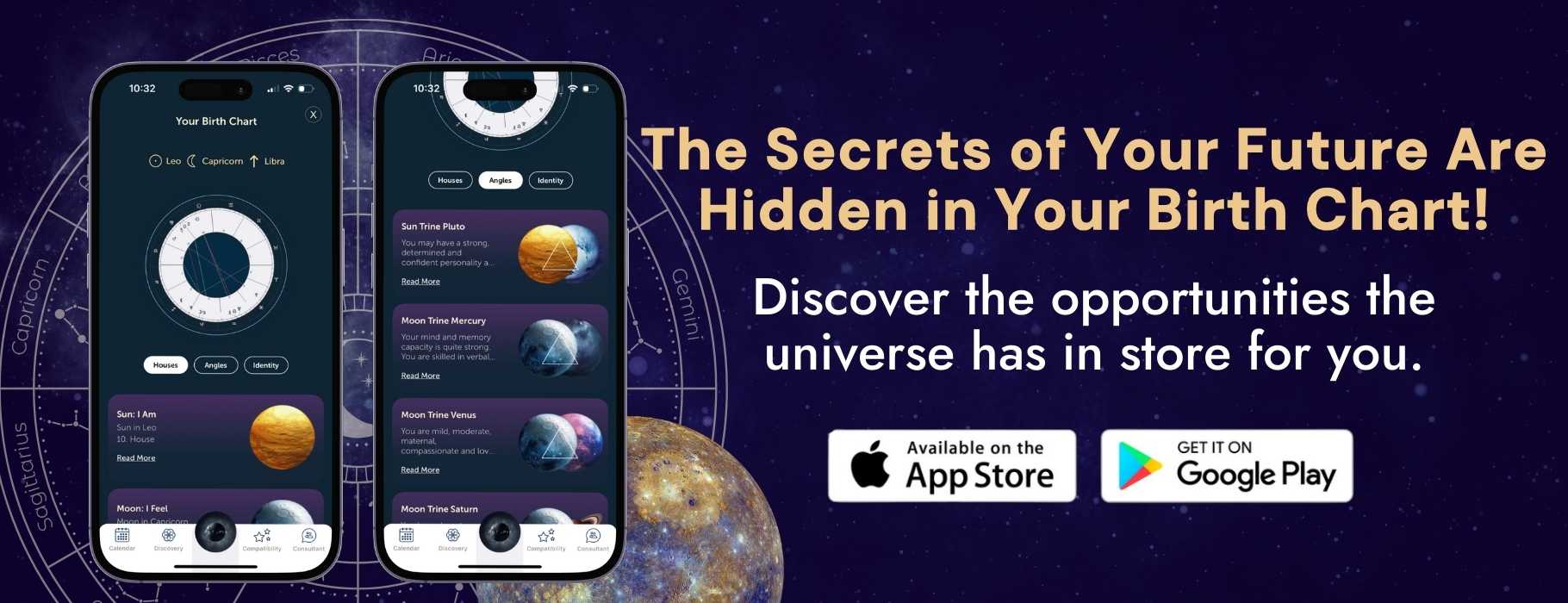
When you enter your birth information into a calculator like Astopia’s birth chart tool, your full chart is generated — including planets, houses, and asteroids such as Juno. This allows you to see your relationship blueprint clearly, without needing technical astrology knowledge.
Astopia’s calculator is designed to make this process intuitive, highlighting Juno’s placement in a way that’s easy to understand while still remaining astrologically accurate.
Identify Juno’s Sign and House
Once your chart is generated, look for Juno’s symbol and note two key elements:
- The sign Juno is in
- The house Juno occupies
The sign reveals what kind of partner energy you are drawn to and how commitment feels safest and most fulfilling for you. It describes the emotional tone, values, and relational style you seek in long-term bonds.
The house shows where commitment themes play out most strongly in your life. This could be through career, family, intimacy, communication, or shared goals — depending on the house placement.
Together, Juno’s sign and house form a powerful story about your relationship patterns. They explain not only who you commit to, but why certain partnerships feel binding, transformative, or difficult to let go of.
Understanding this placement gives you language for experiences you may have already lived — and awareness for the commitments you choose moving forward.
Decoding Juno in the Signs
The zodiac sign Juno occupies in your birth chart reveals the emotional tone and relational qualities you need in a committed partnership. This placement speaks less about attraction and more about sustainability — what keeps a relationship alive, meaningful, and emotionally safe for you over time.
Juno in the signs describes how you experience loyalty, what you expect from a long-term partner, and what kind of relational energy helps you feel chosen and respected. Understanding this placement can explain why certain relationships feel “right” on a deep level, while others — even passionate ones — eventually feel misaligned.
Below is a guide to how Juno expresses itself through each zodiac sign.
Juno in Aries
With Juno in Aries, commitment needs to feel alive, dynamic, and self-affirming. You are drawn to partners who are bold, independent, and unafraid to take initiative. A relationship that feels stagnant or overly dependent can quickly drain you.
You need space to assert yourself within commitment and may struggle if you feel controlled or limited. Passion, honesty, and mutual encouragement are essential. However, this placement can sometimes bring challenges around impatience, competition, or power struggles, especially if individuality is not respected.
Juno in Taurus
Juno in Taurus seeks stability, loyalty, and tangible security. You are drawn to partners who are reliable, grounded, and emotionally consistent. Commitment for you is built slowly but lasts deeply once established.
You value physical affection, shared values, and a sense of comfort in partnership. Trust is essential, and disruptions to emotional or material security can feel deeply unsettling. This placement may sometimes resist change, holding on even when growth is needed.
Juno in Gemini
With Juno in Gemini, mental connection is the foundation of commitment. You seek a partner who stimulates your mind, communicates openly, and keeps the relationship intellectually alive.
Conversation, curiosity, and shared interests matter deeply to you. A partner often needs to feel like a best friend as much as a lover. Challenges can arise if communication becomes superficial or inconsistent, or if emotional depth is avoided in favor of constant movement.
Juno in Cancer
Juno in Cancer craves emotional safety and deep nurturing bonds. You are drawn to partners who feel familiar, protective, and emotionally present. Commitment often carries themes of home, family, and emotional belonging.
You may bond quickly and deeply, but this placement can struggle with over-attachment or fear of abandonment. Feeling emotionally seen and reassured is vital for long-term harmony.
Juno in Leo
With Juno in Leo, commitment must feel heartfelt, expressive, and meaningful. You are drawn to partners who are confident, warm, and emotionally generous. Being appreciated and celebrated within a relationship matters deeply to you.
You want a partnership that feels proud, visible, and emotionally alive. Challenges may arise if validation is lacking or if ego conflicts overshadow mutual admiration.
Juno in Virgo
Juno in Virgo seeks devotion through care, effort, and reliability. You are drawn to partners who are practical, attentive, and willing to grow together through everyday commitment.
Acts of service often replace grand gestures. However, this placement can struggle with perfectionism or over-analysis, especially if love becomes conditional on improvement rather than acceptance.
Juno in Libra
With Juno in Libra, partnership itself is sacred. You seek balance, fairness, and emotional reciprocity in committed relationships. Harmony and mutual respect are non-negotiable.
You are drawn to partners who value cooperation and shared decision-making. However, this placement may avoid conflict or compromise personal needs to preserve peace, making self-assertion an important lesson.
Juno in Scorpio
Juno in Scorpio desires depth, intensity, and emotional truth. You seek transformative partnerships that go beyond surface-level connection.
Trust, intimacy, and emotional honesty are essential, but this placement can struggle with jealousy, control, or fear of betrayal. When balanced, it creates profoundly loyal and healing bonds.
Juno in Sagittarius
With Juno in Sagittarius, commitment must allow room for growth, exploration, and freedom. You are drawn to partners who inspire you, expand your worldview, and share your sense of meaning.
You value honesty and shared philosophy, but may resist relationships that feel restrictive or overly routine. Commitment here thrives when freedom and loyalty coexist.
Juno in Capricorn
Juno in Capricorn approaches commitment with seriousness and long-term vision. You are drawn to partners who are responsible, ambitious, and dependable.
Relationships may develop slowly but are meant to last. This placement may sometimes prioritize duty or status over emotional expression, learning over time that vulnerability strengthens commitment.
Juno in Aquarius
With Juno in Aquarius, commitment must honor individuality and authenticity. You are drawn to unconventional partners and relationships that break traditional molds.
Friendship, intellectual connection, and shared ideals are essential. Emotional detachment or unpredictability can become challenges if emotional needs are not acknowledged alongside independence.
Juno in Pisces
Juno in Pisces seeks soulful, compassionate connection. You are drawn to partners who are emotionally sensitive, creative, or spiritually aligned.
You crave emotional merging and unconditional love, but this placement may idealize partners or sacrifice personal boundaries. Learning discernment is key to sustaining healthy commitment.
Understanding Juno in the Houses
While Juno’s sign describes how you commit and what kind of partner energy you seek, the house Juno occupies reveals where commitment themes unfold most strongly in your life. This placement shows the life areas where partnership feels binding, meaningful, and transformative — and where long-term agreements shape your personal growth.
Juno in the houses often highlights recurring relationship patterns, the environments where you meet significant partners, and the life lessons tied to commitment. It can also reveal where you may over-invest, under-commit, or struggle to balance independence with partnership.
Juno in the 1st House
With Juno in the 1st house, relationships are deeply tied to your sense of identity. You may define yourself through partnership or feel most complete when you are chosen and seen by another.
Commitment here often mirrors self-worth. You may attract partners who strongly influence your self-image, and learning to maintain individuality within partnership becomes a key life lesson.
Juno in the 2nd House
Juno in the 2nd house seeks security, stability, and shared values. Commitment is closely linked to material safety, self-worth, and emotional grounding.
You may be drawn to partners who provide consistency or share your financial and ethical values. Challenges can arise if emotional security becomes dependent on material stability rather than inner trust.
Juno in the 3rd House
With Juno in the 3rd house, communication is essential to commitment. You seek partners who think with you, speak openly, and engage in shared learning.
Relationships thrive on dialogue, curiosity, and mutual understanding. Silence, emotional withdrawal, or intellectual disconnect can feel especially destabilizing for this placement.
Juno in the 4th House
Juno in the 4th house longs for emotional safety and a sense of home. Commitment often revolves around family, shared roots, and emotional belonging.
You may seek partners who feel familiar or nurturing, and long-term bonds tend to shape your inner emotional world. Healing ancestral or family patterns through partnership is a recurring theme here.
Juno in the 5th House
With Juno in the 5th house, commitment must feel joyful, expressive, and alive. You are drawn to partners who inspire creativity, romance, and playfulness.
Love thrives through shared passions and emotional warmth. If a relationship becomes overly serious or rigid, this placement may feel unfulfilled or unseen.
Juno in the 6th House
Juno in the 6th house approaches commitment through daily life and shared responsibility. You seek partners who are supportive, dependable, and willing to grow through routine.
Acts of service, mutual care, and practical support define intimacy here. Challenges can arise if obligation replaces emotional connection or if one partner carries an unequal load.
Juno in the 7th House
With Juno in the 7th house, partnership is central to life purpose. Commitment feels natural, necessary, and deeply defining.
You crave balance, equality, and mutual recognition, but may project personal needs onto partners. Learning healthy interdependence rather than codependency is key to fulfilling relationships here.
Juno in the 8th House
Juno in the 8th house seeks deep emotional, physical, and psychological intimacy. Commitment here is transformative, intense, and often karmic.
You are drawn to bonds that demand vulnerability and emotional truth. Trust issues, power dynamics, or fear of loss may surface, but these relationships often catalyze profound personal growth.
Juno in the 9th House
With Juno in the 9th house, commitment is tied to shared meaning and expansion. You seek partners who inspire growth, exploration, and philosophical alignment.
Relationships may involve travel, cultural exchange, or spiritual development. Commitment thrives when both partners evolve together rather than remain static.
Juno in the 10th House
Juno in the 10th house connects commitment with purpose, reputation, and achievement. You may be drawn to partners who are respected, ambitious, or publicly visible.
Partnerships can shape career paths or social identity. Learning to balance emotional intimacy with external goals becomes an important lesson.
Juno in the 11th House
With Juno in the 11th house, commitment begins with friendship. You seek partners who share your ideals, vision, and sense of community.
Independence and equality matter deeply. Relationships thrive when individuality is honored and future goals are aligned.
Juno in the 12th House
Juno in the 12th house seeks soulful, compassionate connection. Commitment may feel private, spiritual, or even hidden at times.
You may attract partners who evoke empathy and sacrifice. Learning to maintain boundaries while offering unconditional love is essential for healthy commitment here.
Juno Aspects: Unlocking Deeper Insights
While Juno’s sign and house placement describe your core commitment needs, Juno’s aspects to other planets reveal how those needs interact with the rest of your chart. These aspects show where harmony flows naturally in relationships — and where inner tension, growth, or karmic lessons emerge.
Juno aspects often become activated during significant relationship milestones such as marriage, long-term commitments, or major turning points in partnership. They can explain why certain relationships feel effortless, while others feel intense, challenging, or transformative.
Below are some of the most impactful Juno aspects and how they shape your relationship patterns.
Juno Conjunct Venus
When Juno is conjunct Venus, love and commitment are deeply intertwined. You seek beauty, affection, and emotional harmony within long-term relationships.
Partnership must feel emotionally pleasing and aligned with your values. This aspect enhances romance and attraction, but may also create a tendency to avoid necessary conflict in order to preserve peace and connection.
Juno Conjunct Mars
Juno conjunct Mars brings passion, desire, and strong physical chemistry into committed relationships. You are drawn to partners who are assertive, confident, and energizing.
While attraction is powerful, this aspect can also spark power struggles or conflict if emotional needs and desires are not consciously balanced. Healthy expression of anger and desire becomes essential.
Juno Conjunct Jupiter
With Juno conjunct Jupiter, commitment is associated with growth, optimism, and expansion. You seek partners who uplift you, share your beliefs, and encourage personal development.
This aspect often brings luck or ease in long-term partnerships, but may also lead to unrealistic expectations if boundaries are not grounded in reality.
Juno Conjunct Saturn
Juno conjunct Saturn emphasizes seriousness, responsibility, and endurance in commitment. Relationships may feel karmic, delayed, or require significant effort.
You seek stability and reliability, but may experience lessons around patience, fear of vulnerability, or emotional restraint. Over time, this aspect often rewards commitment with lasting strength.
Juno Conjunct Uranus
With Juno conjunct Uranus, commitment must allow freedom and individuality. You are drawn to unconventional partners or relationship structures.
Sudden beginnings or endings may characterize relationships. Learning how to balance independence with emotional consistency is key to sustaining long-term bonds.
Juno Conjunct Neptune
Juno conjunct Neptune creates a longing for spiritual, idealized love. You seek a soulmate connection that transcends ordinary relationship boundaries.
This aspect enhances compassion and romantic vision, but can also blur boundaries, leading to confusion or disillusionment if reality does not match the dream.
Juno Conjunct Pluto
With Juno conjunct Pluto, commitment is intense, transformative, and deeply psychological. Relationships may trigger profound inner change.
Power dynamics, emotional depth, and themes of control or rebirth often arise. When consciously integrated, this aspect can create extraordinarily loyal and healing partnerships.
Juno Square Sun or Moon
Hard aspects between Juno and the Sun or Moon suggest tension between personal identity or emotional needs and commitment demands.
You may struggle to balance self-expression with partnership obligations. Growth comes through learning to honor both individuality and shared responsibility.
Juno Trine Sun or Moon
Harmonious aspects between Juno and the Sun or Moon indicate ease in integrating commitment with emotional and personal needs.
You naturally align your sense of self with partnership, creating relationships that feel supportive, balanced, and emotionally fulfilling.
Juno in Synastry: Comparing Charts
Synastry — the comparison of two birth charts — reveals how two people interact, connect, and grow together. While many synastry analyses focus on Venus, Mars, and the Moon, Juno plays a crucial role in understanding long-term commitment and relationship longevity.
Juno in synastry highlights where commitment feels natural, binding, or even inevitable. It often reveals why a connection feels serious from the beginning, why two people feel “chosen” by one another, or why certain relationships carry a strong sense of destiny.
When Juno is activated between two charts, the relationship often carries themes of loyalty, obligation, and shared responsibility — whether consciously acknowledged or not.
Juno Conjunct the Other Person’s Sun, Moon, or Venus
When one person’s Juno conjuncts the other person’s Sun, Moon, or Venus, there is a strong sense of mutual recognition and emotional significance.
The Juno person often feels that the other embodies their ideal partner qualities, while the planet person feels deeply valued and affirmed. This connection supports long-term commitment, though it may also create strong expectations around loyalty and emotional presence.
Juno Conjunct the Other Person’s Descendant
This is one of the most classic indicators of marriage or long-term partnership potential in synastry. The Juno person naturally fits into the partner’s idea of “the other” in a committed relationship.
There is often an immediate sense of partnership, with both individuals feeling drawn toward building something lasting together. This aspect can feel fated, though conscious effort is still required to sustain balance.
Juno Opposing the Other Person’s Venus
When Juno opposes Venus in synastry, there can be tension between romantic desire and commitment needs.
Attraction is often strong, but differences may arise around expectations, values, or emotional expression. Learning to reconcile pleasure with responsibility becomes a key relationship theme.
Juno Squaring the Other Person’s Mars
This aspect introduces friction between desire and commitment. While attraction and passion are present, conflicts may arise around control, initiative, or emotional boundaries.
Power struggles or reactive behavior can surface if both partners are unwilling to compromise. When handled consciously, this aspect can fuel growth through honest communication and mutual respect.
Understanding Juno in synastry helps illuminate not just whether two people are compatible, but how they commit, what challenges they may face, and what lessons the relationship is designed to teach.
The Importance of Understanding Your Juno Placement
Understanding your Juno placement offers a profound shift in how you approach relationships and commitment. While attraction may draw people together, it is commitment that determines whether a connection can truly last. Juno reveals the deeper agreements you make in relationships — often unconsciously — and brings awareness to patterns that shape your long-term bonds.
By understanding Juno, you gain clarity around what you genuinely need to feel secure, respected, and emotionally fulfilled within partnership. This awareness helps you move beyond repeating familiar relationship cycles and instead choose connections that align with your deeper values.
Juno also highlights where you may compromise too much, expect too little, or place unrealistic expectations on others. Recognizing these tendencies allows you to create healthier boundaries and more balanced partnerships.
When you work consciously with your Juno placement, relationships become less about proving worth or seeking validation and more about mutual respect, shared growth, and emotional integrity. Commitment shifts from obligation to conscious choice.
Whether you are navigating long-term partnership, marriage, business alliances, or evolving relationship dynamics, Juno provides insight into the kind of bonds that support your emotional well-being and long-term happiness.
Astopia's Juno Calculator: Your Key to Relationship Insights
Understanding Juno conceptually is powerful — but seeing how it shows up specifically in your own chart is where true clarity begins. This is where Astopia’s Juno Calculator becomes an essential tool in your astrological journey.
Astopia’s birth chart calculator doesn’t just locate your Juno placement; it helps you understand it within the context of your entire chart. By analyzing Juno’s sign, house, and key aspects, Astopia reveals how your commitment style operates beneath the surface and how it interacts with your emotional needs, values, and life direction.
Rather than offering generic interpretations, Astopia connects your Juno placement to real-life relationship patterns — the kinds of partners you attract, the dynamics that repeat in long-term bonds, and the emotional agreements you tend to form. This makes it easier to recognize why certain relationships feel deeply binding, why others fall apart despite strong attraction, and what conditions allow you to thrive in commitment.
Whether you are seeking clarity around love, marriage, long-term partnership, or even business collaborations, Astopia’s Juno calculator acts as a mirror — reflecting back your deeper relationship truth with compassion and precision.
Ready to Explore Your Commitment Style?
Your commitment style is not random — it’s written into your chart, waiting to be understood. By exploring your Juno placement, you gain insight into what you truly need in partnership, how you give loyalty, and what helps you feel chosen and respected in lasting bonds.
If you’re ready to uncover the deeper meaning behind your relationship patterns, visit Astopia’s birth chart calculator page and discover your Juno placement today. Through personalized insights and intuitive guidance, Astopia helps you move toward more conscious, fulfilling, and aligned relationships.
Your journey into understanding commitment begins with awareness — and Juno is the key that opens the door.

