

1/6/2026
Author: Astopia TeamHow to find out who Your Soulmate is Through Astrology?
Have you ever felt that certain connections in your life weren’t random — that some people arrive carrying a sense of familiarity you can’t quite explain? Astrology doesn’t promise a single predestined person labeled “the one,” but it does offer something more useful: a way to understand why certain relationships feel significant, intense, or life-shaping.
Finding a soulmate through astrology isn’t about prediction or fate-based guarantees. It’s about learning how your birth chart describes your relationship patterns, emotional needs, and long-term partnership themes. By reading these symbols together — rather than in isolation — astrology helps you recognize the type of bond that feels meaningful and sustainable for you. This is where soulmate astrology truly begins.
Unveiling Soulmate Potential Through the Zodiac: More Than Just Sun Signs
When people think about astrological compatibility, they usually start — and end — with Sun signs. While the Sun does describe core identity, it tells only a small part of the relationship story. Soulmate-style connections tend to form not just through personality alignment, but through emotional resonance, attraction dynamics, and shared growth paths — all of which live deeper in the birth chart.
To understand soulmate potential, astrology looks at multiple layers working together:
- The Sun reflects conscious identity and life direction
- The Moon reveals emotional needs, safety, and bonding patterns
- The Rising Sign and Descendant describe how partnership shows up in your life
- Venus and Mars shape attraction, desire, and relational chemistry
A soulmate connection often activates more than one of these layers at once. That’s why some relationships feel instantly familiar, emotionally grounding, or deeply motivating — even when the Sun signs alone don’t seem “compatible.”
Astrology doesn’t ask who your soulmate is.
It asks what kind of connection helps you become more fully yourself — and that answer lives
Understanding the Importance of Synastry
If astrology has a language for understanding soulmates, synastry is where that language becomes relational. Rather than analyzing one chart in isolation, synastry compares two birth charts to reveal how two people interact, resonate, and challenge one another over time.
This is where astrology moves beyond theory and into lived experience. A relationship may feel effortless, intense, confusing, or transformative — and synastry helps explain why.
Instead of asking whether two people are “compatible,” synastry asks more nuanced questions:
Where do we naturally support one another?
Where do we trigger growth?
What kind of bond is being activated between us?
Some of the most telling soulmate-style indicators in synastry include:
- Sun–Moon connections, which often reflect emotional understanding and a sense of being “seen” by the other person
- Venus–Mars contacts, highlighting attraction, desire, and relational chemistry
- Ascendant–Descendant links, pointing to the feeling that the other person embodies something you are drawn toward in partnership
- Nodal contacts, especially to the North Node, which often carry a sense of purpose, timing, or mutual evolution
Soulmate connections don’t require perfection across the chart. In fact, many significant relationships include tension. What matters is activation — the feeling that the relationship moves something essential within you.
Fixed Stars and Their Karmic Influence
Beyond planets and houses, astrology also considers fixed stars — ancient reference points that add a subtle but meaningful karmic layer to relationship analysis.
When personal planets like Venus, Mars, or the Moon align closely with certain fixed stars, relationships can carry a sense of inevitability or deep significance. These connections don’t necessarily promise ease, but they often mark relationships that leave a lasting imprint.
For example, charts involving benefic fixed stars are frequently associated with supportive, growth-oriented bonds, while others may describe relationships that arrive to challenge, awaken, or redirect you. In soulmate-style connections, fixed stars often show why a relationship feels larger than logic — as if it arrived with a message, not just attraction.
They remind us that astrology isn’t only about personality matching. Sometimes, it’s about timing, symbolism, and the quiet sense that a connection is part of a bigger story.
The Power of Juno: Your Astrological Commitment Profile
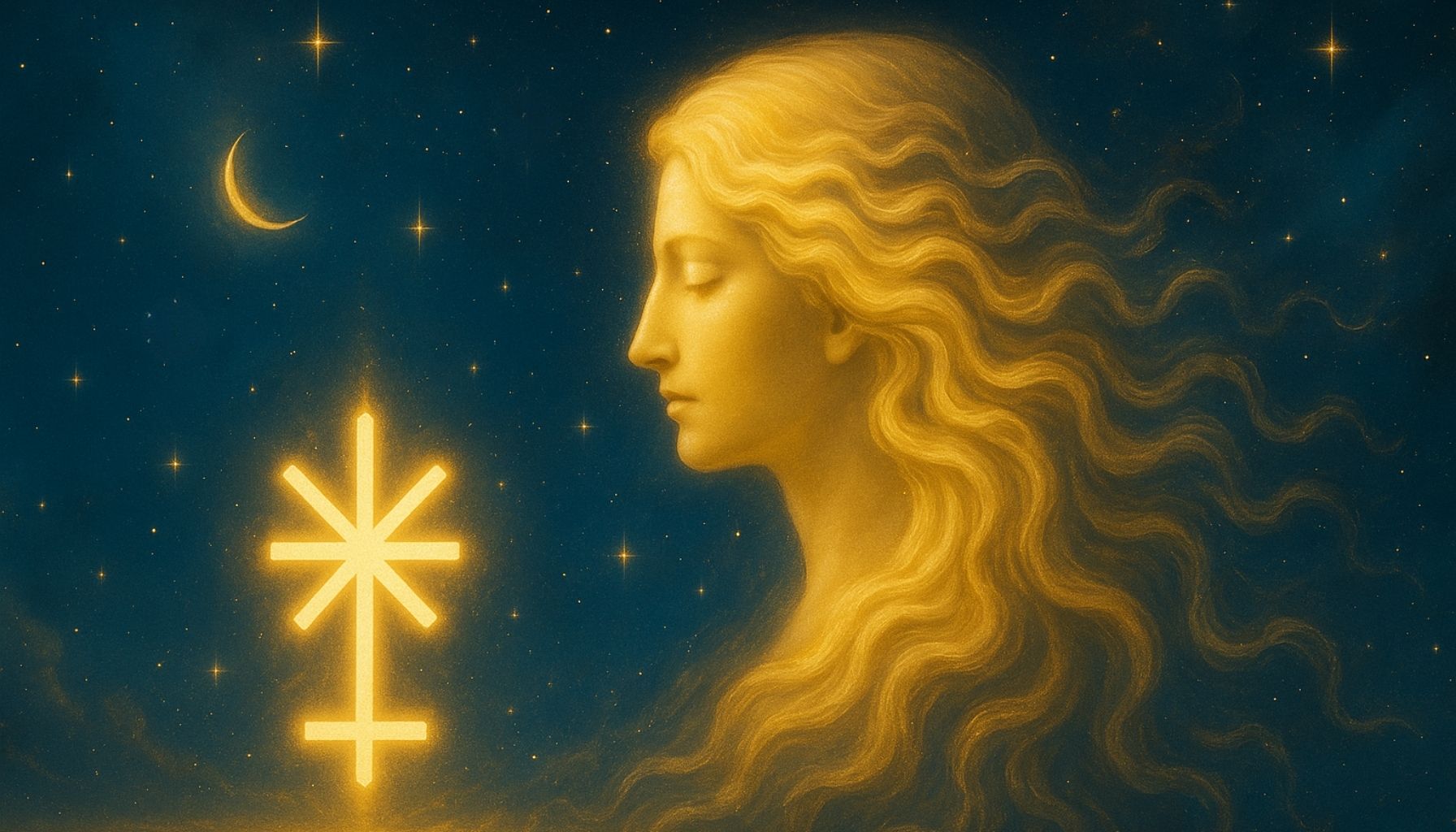
While synastry reveals how two people interact, Juno explains why certain partners feel “right” for long-term commitment. In soulmate astrology, Juno doesn’t point to instant attraction or chemistry — it describes the conditions under which a relationship becomes sustainable, meaningful, and emotionally binding over time.
Juno reflects your commitment blueprint. It shows what you need to feel respected, chosen, and secure in partnership. This is why someone can feel exciting at first (Venus or Mars activation), yet fail to meet your deeper needs once commitment is required. Juno highlights that deeper layer.
Rather than symbolizing a single destined person, Juno describes the type of relational structure that supports you best. When someone naturally fits this structure, the relationship often carries a soulmate-like quality — not because it’s perfect, but because it aligns with your core expectations around loyalty, fairness, and mutual responsibility.
Juno in the Zodiac Signs: A Detailed Look
Juno’s zodiac sign colors the style of commitment you seek. It doesn’t describe personality traits in isolation, but rather the relational energy that feels sustainable for you once a bond deepens.
For some, commitment must feel active and energizing. For others, it must feel calm, secure, or emotionally attuned. Juno’s sign answers the question: “What kind of partnership allows me to stay?”
For example, someone with Juno in an assertive or expressive sign may need momentum, honesty, and visible engagement in commitment. Someone with Juno in a more receptive or grounded sign may prioritize emotional safety, consistency, or shared values. Neither is better — they simply describe different relational needs.
This is also why Juno compatibility often feels recognitional. When someone embodies your Juno sign themes, the relationship may feel familiar very quickly — as if it naturally fits the way you bond long-term.
Juno in the Houses: Where Commitment Plays Out
If the sign describes how you commit, the house placement shows where commitment becomes most active in your life.
Juno’s house doesn’t predict where you will meet your soulmate, but it does reveal the life area where partnership themes become most visible and emotionally significant. For some, commitment is deeply tied to identity. For others, it unfolds through shared work, family life, creative expression, or personal transformation.
This is why two people with the same Juno sign can experience commitment very differently. The house placement explains the context in which partnership feels essential — whether that’s through building a home, pursuing a shared purpose, navigating intimacy, or growing together socially.
Understanding this placement helps clarify why certain relationships feel central, while others remain peripheral, regardless of attraction.
Juno Aspects to Other Planets: Refining the Soulmate Picture
While Juno’s sign and house describe your core commitment needs, its aspects to other planets show how those needs are activated in real relationships. This is where the soulmate theme becomes more personalized and dynamic.
Aspects reveal interaction. They explain whether commitment feels natural, challenging, idealized, delayed, or transformative — and why certain relationships leave a deeper imprint than others. In soulmate astrology, Juno aspects often describe the emotional tone of commitment, rather than the external form it takes.
For example, harmonious aspects tend to make commitment feel easier and more intuitive, while challenging aspects often bring growth through tension, timing issues, or repeated lessons. Neither is “good” or “bad”; they simply show how partnership shapes your evolution.
Here are a few common patterns astrologers look at when interpreting soulmate-style connections through Juno aspects:
- When Juno is strongly connected to personal planets, commitment becomes emotionally personal and central to identity.
- When Juno interacts with slower planets, relationships often feel karmic, defining, or life-altering.
- Repeated Juno activations in synastry often signal relationships that change how you understand partnership itself.
Rather than predicting relationship outcomes, Juno aspects explain why certain bonds feel unavoidable, formative, or deeply instructive.
Other Astrological Indicators: Venus, Mars, and the Lunar Nodes
Juno doesn’t work in isolation. To understand soulmate potential clearly, it must be read alongside other key relationship indicators in the birth chart.
Venus shows what draws you in. Mars shows what ignites desire and movement. The Lunar Nodes reveal karmic themes — where you’ve been and where you’re meant to grow. Together with Juno, they form a layered picture of attraction, attachment, and long-term bonding.
When these points connect meaningfully between two charts, relationships often feel significant very quickly. Not always easy — but important. This is often where people describe a “soulmate feeling,” even if the relationship itself requires effort, maturity, or timing.
In this context, Juno acts as the stabilizing force. It doesn’t explain chemistry, but it explains why you stay, what you tolerate, and what ultimately matters once the initial spark fades.
Integrating Astrology with Your Own Intuition
Astrology can reveal patterns, tendencies, and themes — but it works best when paired with your own intuition. Charts don’t replace lived experience; they contextualize it. A soulmate connection isn’t defined by a single placement or aspect, but by how a relationship feels, evolves, and challenges you over time.
This is especially important when working with Juno and soulmate indicators. Some connections feel instantly familiar, while others unfold slowly but leave a deeper imprint. Astrology helps you understand why certain relationships resonate, but intuition helps you decide how to engage with them.
Instead of asking astrology to confirm fate, a more grounded approach is to use it as a mirror:
- Does this relationship support your growth?
- Does it reflect your deeper values?
- Does commitment feel aligned, not forced?
When intuition and astrology point in the same direction, clarity tends to follow. When they conflict, that tension itself is often meaningful — signaling a lesson rather than a destination.
Astopia's Path to Finding Your Soulmate
Finding a soulmate through astrology isn’t about prediction — it’s about preparation. When you understand your own relational blueprint, you move through relationships with greater clarity, self-trust, and emotional awareness.
Astopia supports this process by offering personalized readings that connect astrological insight with real-life dynamics. Whether you’re exploring a current connection or trying to understand recurring relationship patterns, astrology becomes a tool for conscious choice rather than passive waiting.
Your soulmate path isn’t written as a single outcome — it’s shaped through awareness, timing, and growth. And astrology, when used wisely, helps you recognize when a connection is asking you to stay, evolve, or let go.